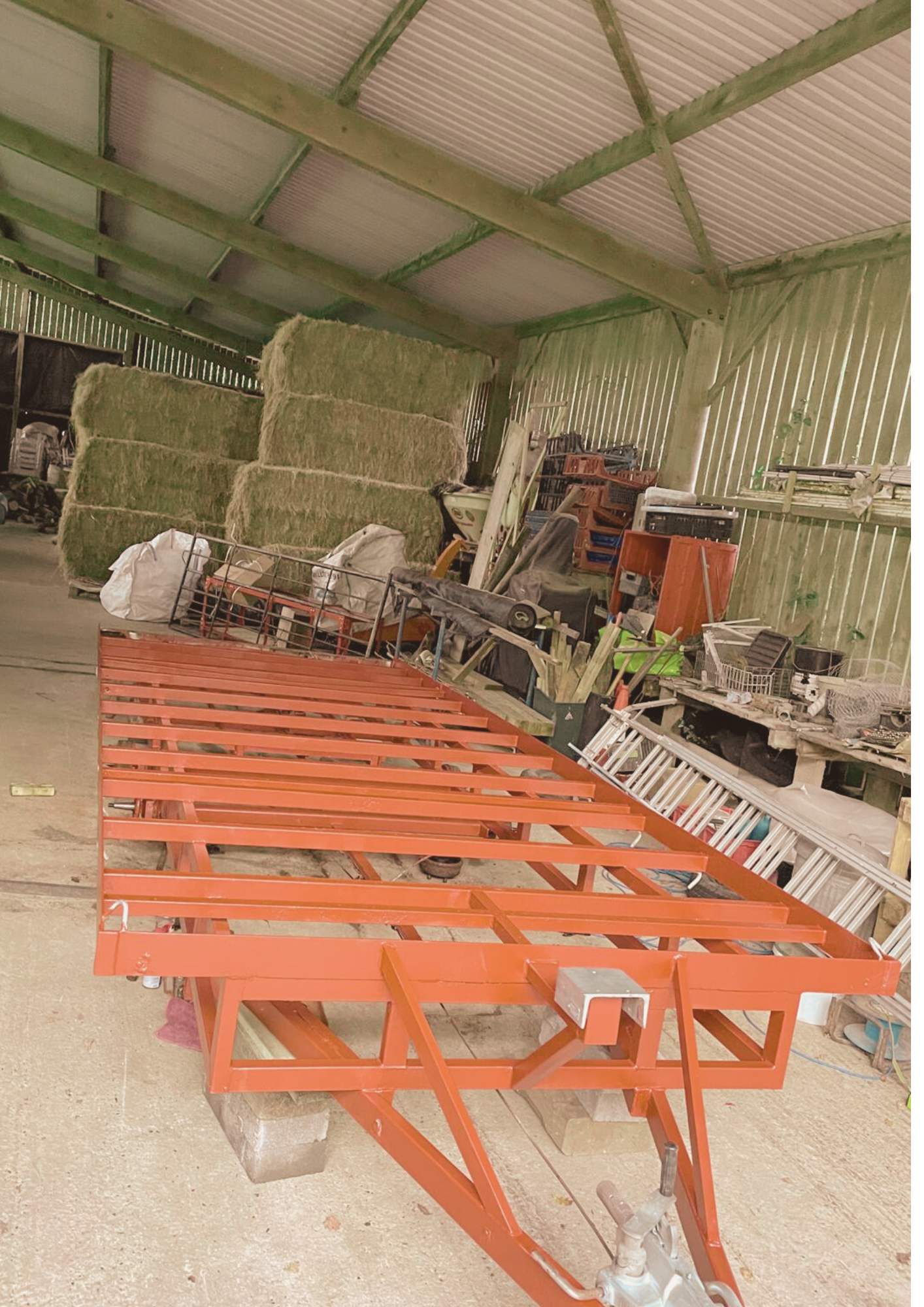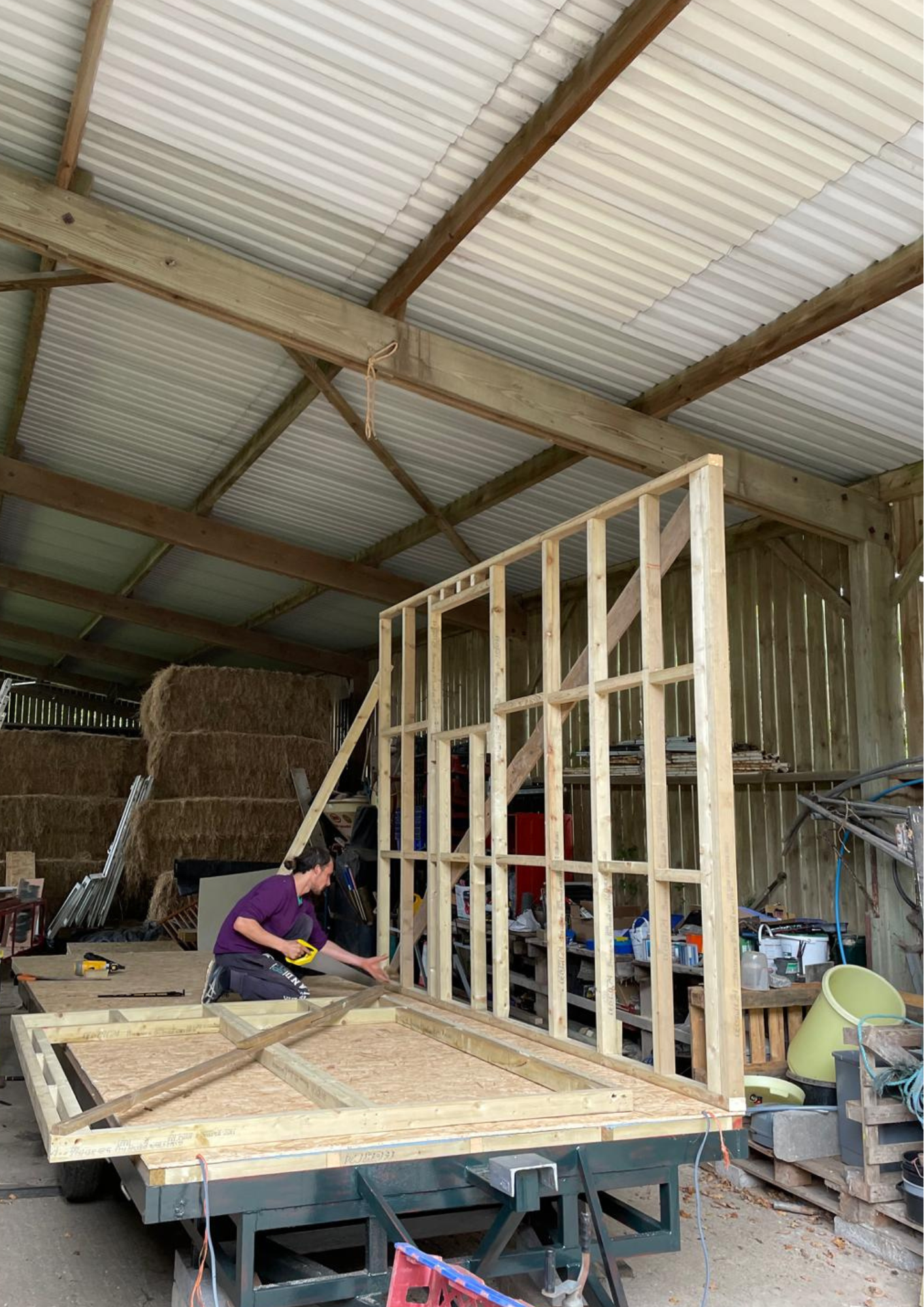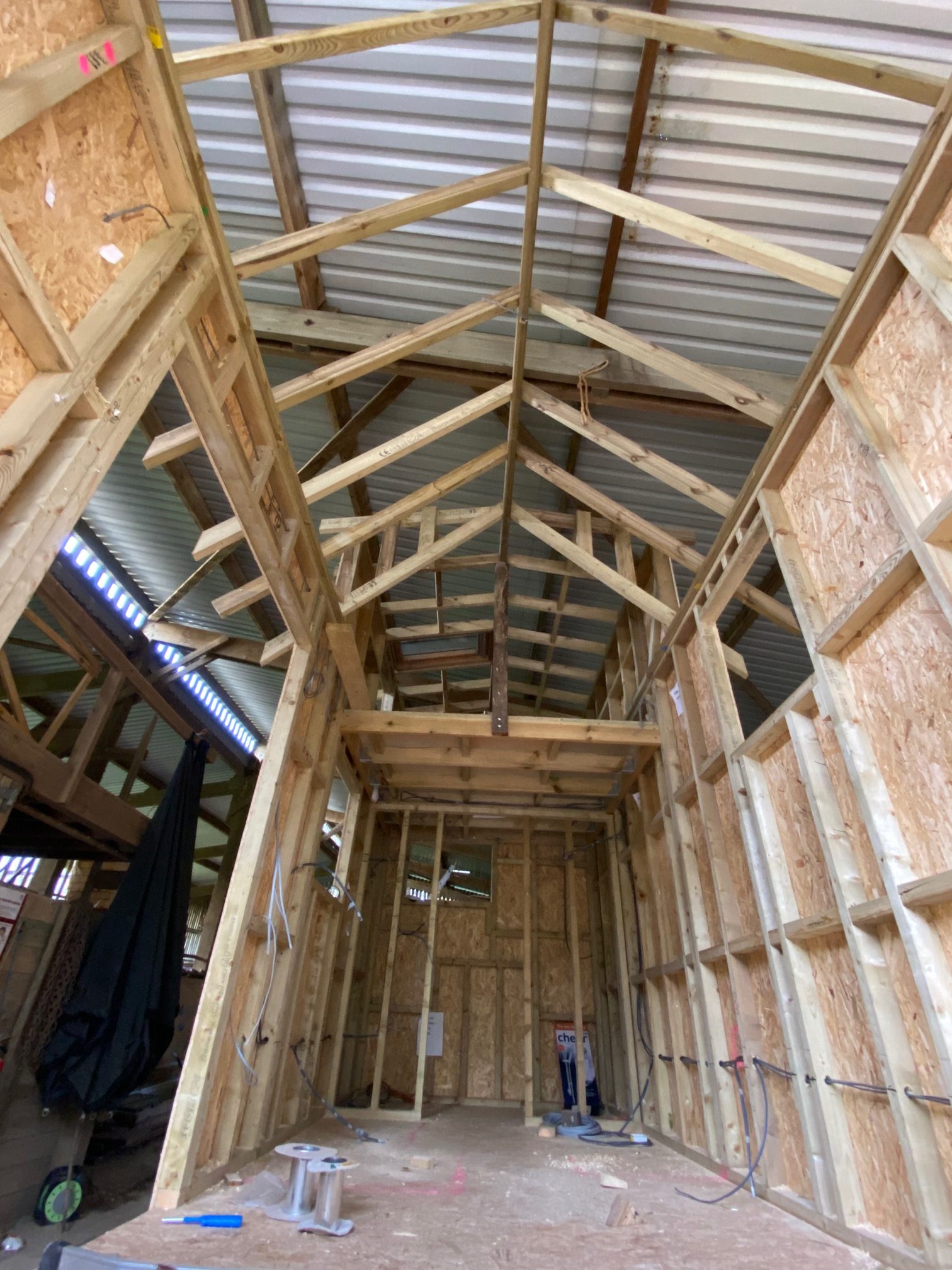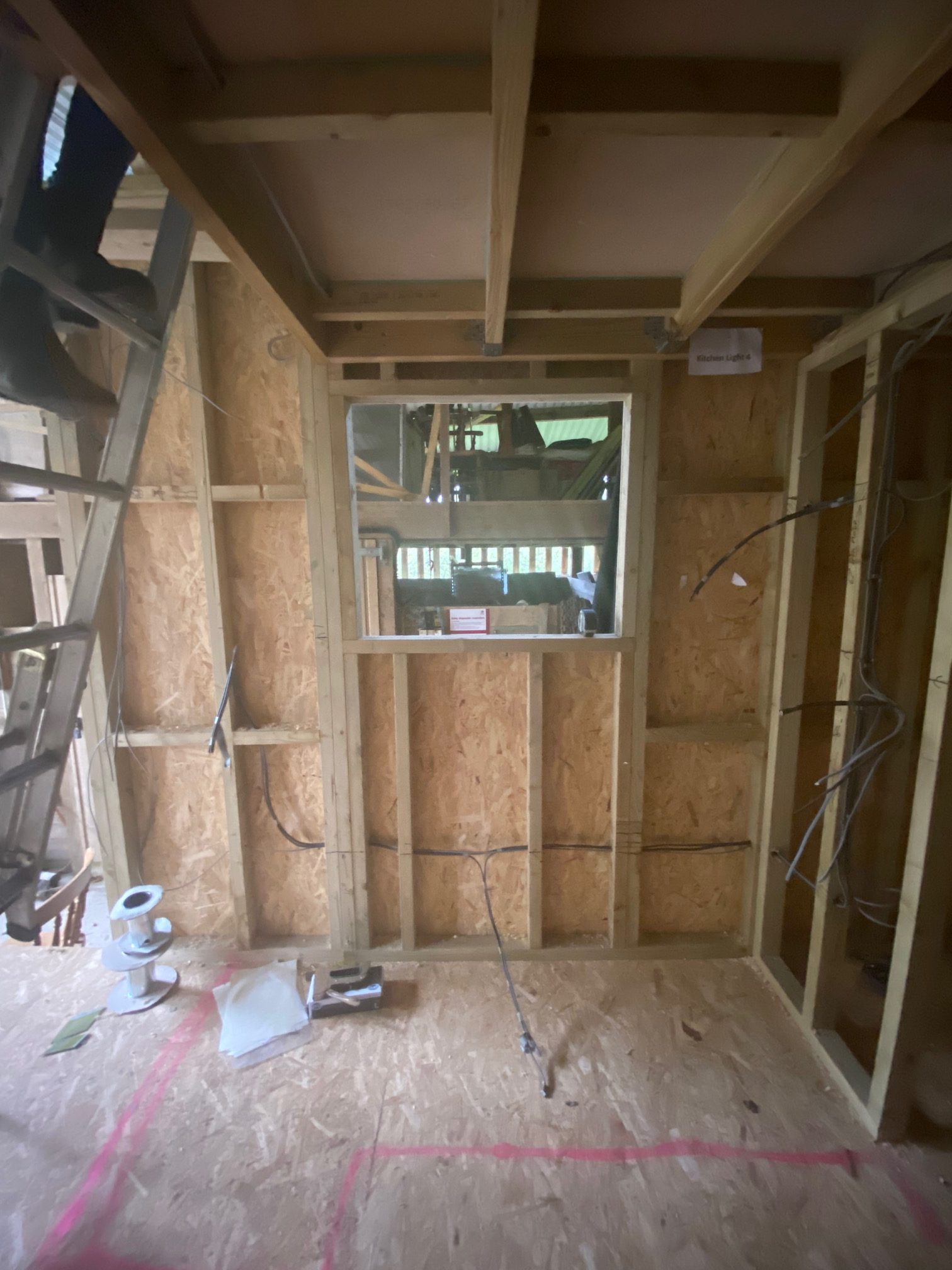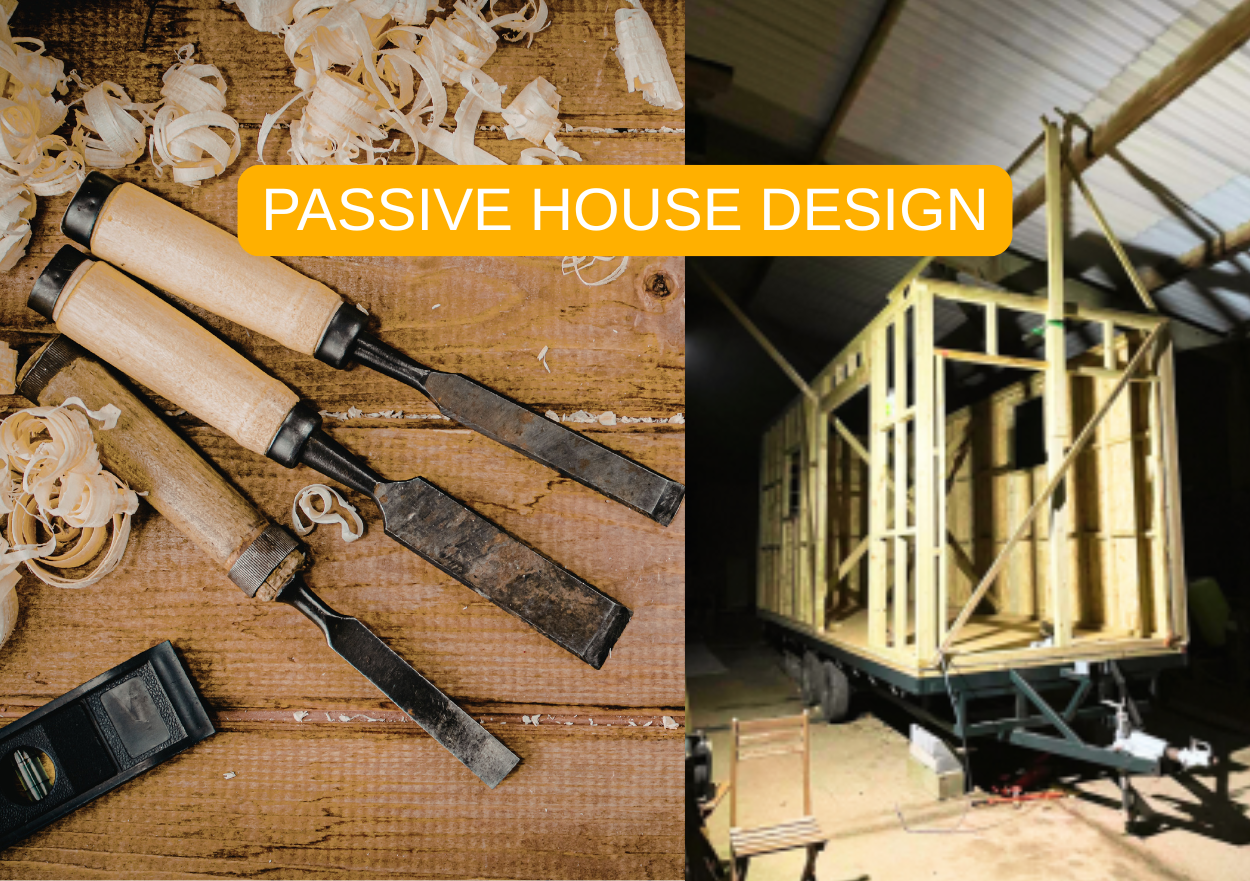
The Cabin was designed in the quiet language of a passive house—one that understands how to breathe with the seasons rather than argue with them. In winter it gathers warmth and holds it close; in summer it stays cool, unbothered by excess. Its footprint is light, almost apologetic, and its promise is long-term: to take no more than it gives. Net zero not as a slogan, but as a way of living honestly.
It was built from sustainable materials, shaped by local timber and guided by traditional building practices. Nothing flashy, nothing wasteful. The walls are deeply insulated, wrapped tight against the cold and the heat alike, so comfort comes quietly, without constant demand. Energy here is not burned recklessly—it’s respected.
Appliances hum gently, chosen for restraint rather than excess. Above it all, the sun does its part, pouring into the solar panels and giving back what it can, day after day, season after season.
Water comes from the land itself. The bore hole taps deep into the earth, drawing up what the cabin needs without ceremony. Heat comes from our own logs, cut and split from managed woodland.
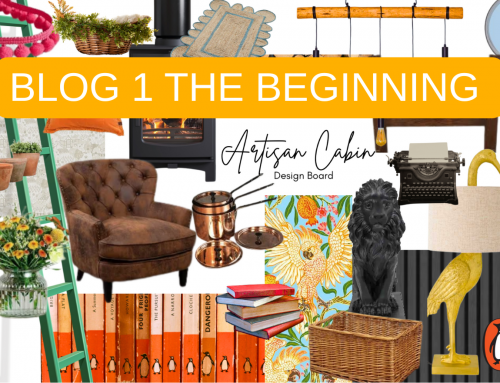
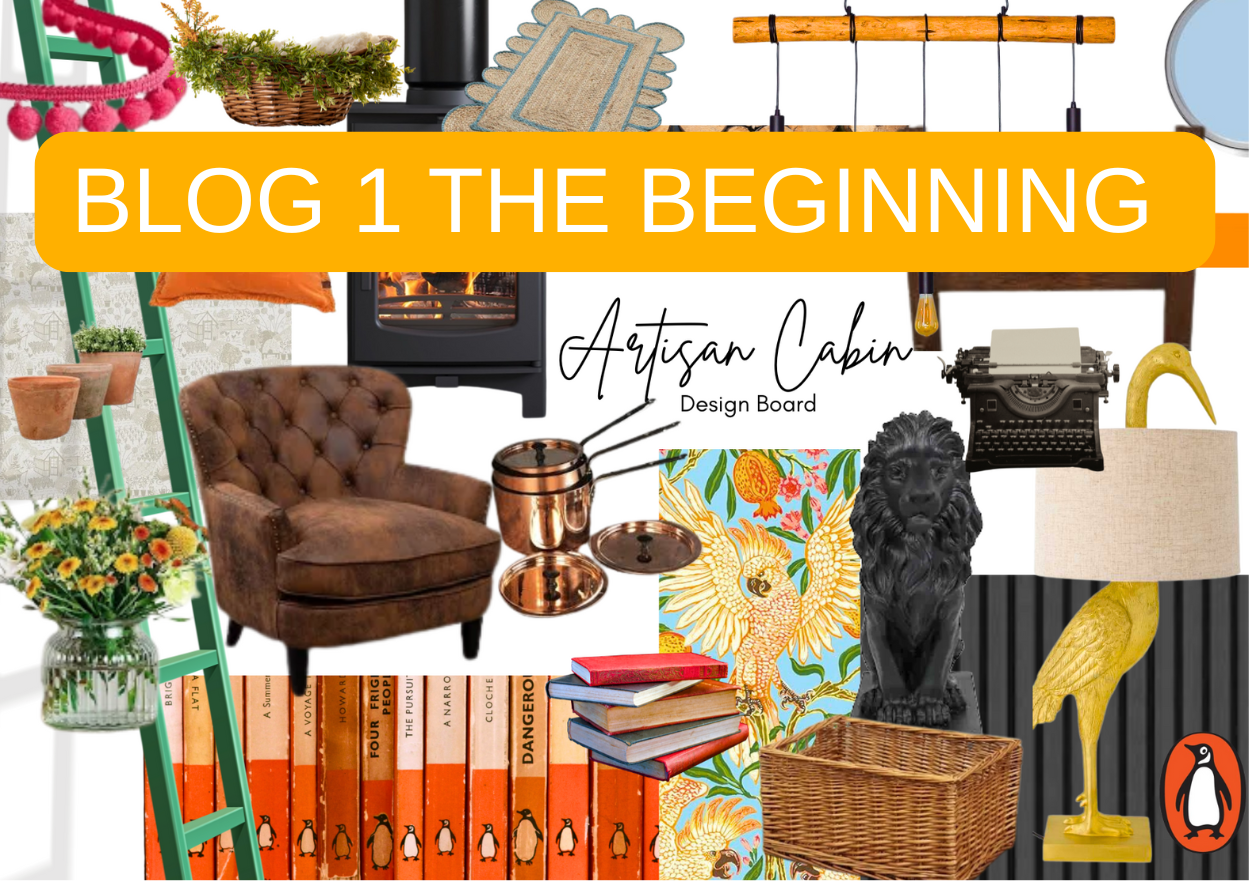
But the heart of the place isn’t just in how it’s powered—it’s in how it remembers. The cabin lives by a quiet mantra: make, mend, do. Old treasures rescued from onsite farm stores—weathered, salvaged, reclaimed. Everything has been give new life. Scratches aren’t hidden; they’re honoured. Paint samples become feature walls. Scraps of fabric find their way into cushions and curtains. Building materials, objects, forgotten things—nothing is too small or too tired to be useful again.
This is a cabin that believes in second chances.
On a shelf near the window sits the seed library, modest and hopeful. Little envelopes of promise, waiting to be shared. Guests are invited to take a piece of the farm home with them—not as a souvenir, but as a responsibility. A reminder that what grows here can grow elsewhere, that care can travel, that stewardship doesn’t end at the gate.
At night, when the fire settles and the solar lights dim, the cabin feels almost alive—quietly satisfied. It has done its work without shouting about it. It has sheltered, reused, regenerated. And in doing so, it has taught us something simple and enduring: living lightly doesn’t mean living with less. It means living with intention.